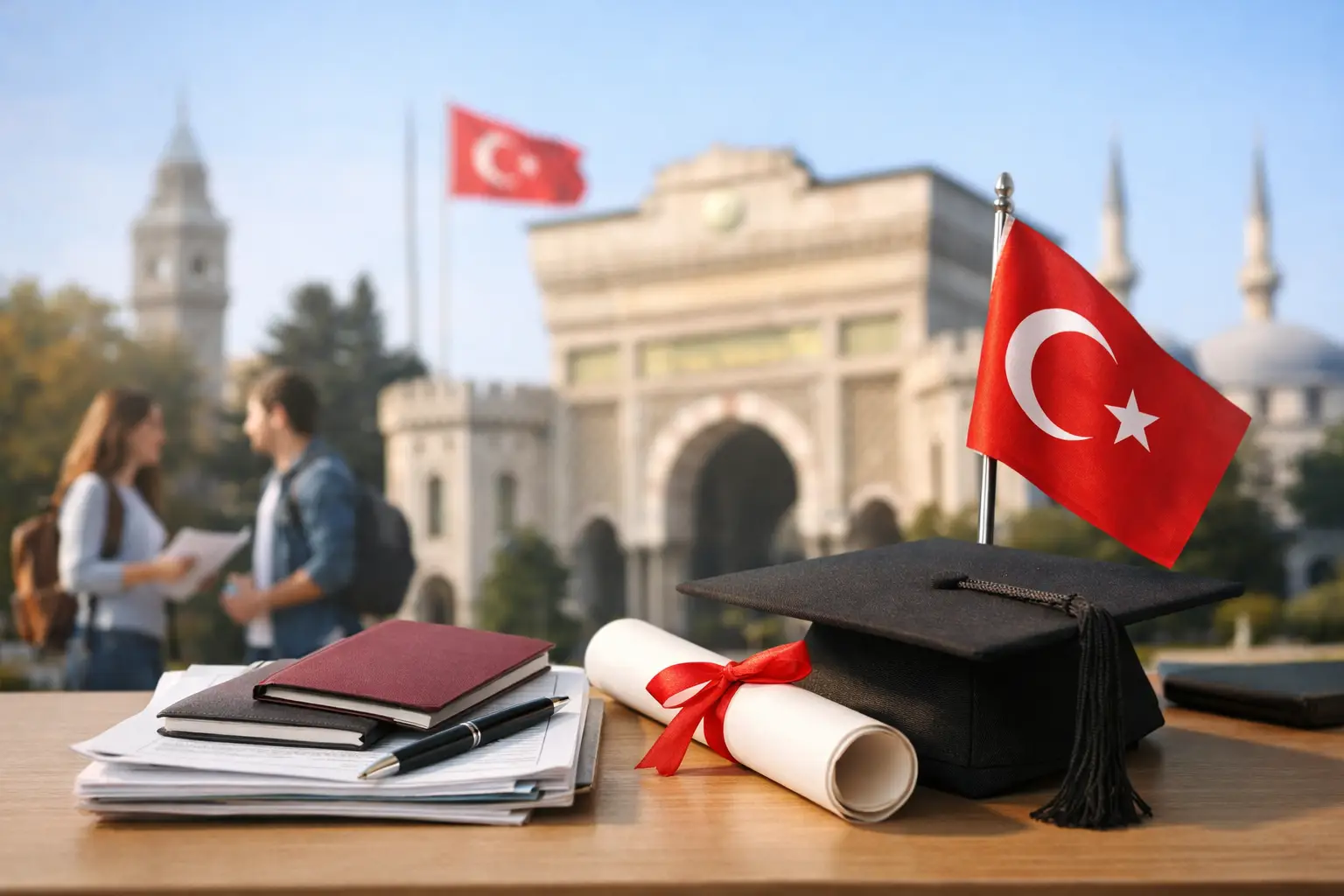


Istanbul attracts international students for a simple reason: it gives you more than a degree. If you want to Study in Private universities in istanbul, you are not just choosing a campus. You are choosing a city with global connections, English-taught programs, flexible admission options, and a student life that feels active from day one.
For many students and families, the real question is not whether Istanbul is a good study destination. It is which private university fits the student’s budget, academic goal, language level, and long-term plan. That is where smart planning matters, because private universities in Istanbul are not all the same in tuition, ranking, internship access, campus quality, or support for international students.
Why students choose private universities in Istanbul
Private universities in Istanbul have become a strong option for students who want a faster, more flexible admission process than they may find in many public systems. In most cases, students can apply with a high school diploma and do not need to wait for highly competitive national exam routes. That makes the process more practical for international applicants.
The second reason is variety. Istanbul has private universities that are known for medicine, dentistry, engineering, business, psychology, architecture, media, and many other fields. Some universities focus on strong academic research, while others stand out for modern campuses, applied learning, and industry ties. If a student wants a specific path, there is usually more than one suitable option.
Language is also a major factor. Many private universities offer full programs in English, others in Turkish, and some in both. This creates flexibility for students who want to begin directly in their major or first complete a language preparation year. For families comparing Turkey with other countries, this often makes Istanbul a more cost-conscious choice without giving up quality or international exposure.
What makes studying in Istanbul different
Studying in Istanbul means living in a city that never feels limited to campus boundaries. This matters more than many students expect. A university experience is shaped by lectures and labs, but also by transportation, housing, internships, safety, and the ease of building a social life.
Istanbul offers all of that at scale. It is a business center, a cultural capital, and a city where students can meet people from many countries. That can be a huge advantage for students in fields like business administration, international trade, software engineering, media, and design, where exposure to a real market adds value to classroom learning.
There is a trade-off, of course. Istanbul is exciting, but it is also large and busy. One university may have a calm campus on the outskirts, while another is more integrated into city life. Some students thrive in a fast urban environment. Others need quieter surroundings and more predictable daily routines. Choosing the university without thinking about location is one of the most common mistakes.
Study in Private Universities in Istanbul by major
The best university for one student may be the wrong choice for another, even if both have the same budget. The right decision depends heavily on the major.
Medicine and dentistry students usually need to pay close attention to accreditation, hospital training opportunities, laboratory facilities, and total tuition across the full study period. A lower annual fee may look attractive at first, but the overall value depends on clinical training quality and the university’s reputation.
Engineering students should look beyond the program title. It is better to ask whether the university offers strong labs, industry projects, internship support, and English instruction if needed. A university with modern facilities and active employer links may serve an engineering student better than one with a stronger marketing presence but weaker practical training.
For business, economics, international relations, and related majors, the university’s location and network often matter a lot. Istanbul gives these students an advantage because many companies, events, and internship opportunities are concentrated there. Programs with applied coursework and professional partnerships usually deliver stronger outcomes.
Students interested in psychology, design, communication, or architecture should also review campus culture carefully. Creative and social disciplines benefit from an environment that supports collaboration, student clubs, workshops, and portfolio-building opportunities. Not every university invests equally in these areas.
Costs and scholarships: what families should expect
Cost is usually one of the first concerns, and rightly so. Private university tuition in Istanbul varies widely depending on the institution, the major, and the language of study. Medical fields are typically the most expensive, while many humanities and administrative majors are more accessible.
Still, tuition is only one part of the equation. Students also need to account for housing, transportation, food, health insurance, residence permit costs, books, and daily living expenses. A university with lower tuition but a more expensive location may not actually save money overall.
Scholarships and discounts can make a significant difference. Many private universities offer promotional tuition rates, merit-based discounts, or special offers for international students. This is one reason students benefit from applying through an authorized educational advisor that works directly with universities. In some cases, the final tuition after discounts is very different from the published standard rate.
Families should also ask an important question early: is the goal the lowest cost, or the best value? These are not always the same thing. Sometimes paying a bit more for stronger instruction, better support, and a more suitable major path is the smarter long-term decision.
Admission requirements are often easier than students think
One reason many students prefer private universities in Istanbul is that admission is usually straightforward compared with other international study destinations. In many cases, the main documents include a passport, high school certificate, transcript, and a personal photo. Some majors may require extra documents, and graduate programs often have additional academic conditions, but undergraduate admission is often accessible.
English-taught programs may require proof of English proficiency, unless the student will complete a preparatory year. Turkish-medium programs may also include a Turkish preparation stage if the student is not yet ready. This flexibility helps students start even if their language level is still developing.
What matters most is accuracy. Delays usually happen because students submit incomplete documents, choose unsuitable majors, or misunderstand equivalency and translation requirements. This is why guided support can save time and prevent avoidable mistakes. A well-managed application process is not just faster. It is less stressful for the student and family.
Student life, housing, and settling in
Getting accepted is only part of the journey. Students also need to settle into daily life in Turkey. This includes arranging housing, airport pickup, residence procedures, health insurance, transportation cards, and understanding how the university system works in practice.
Housing deserves careful attention. Some students prefer university dormitories for structure and convenience. Others choose private student residences or shared apartments for more independence. There is no single best option. It depends on budget, distance from campus, and the student’s personality. A first-year student arriving alone may benefit from a more supported housing setup, while an older student may prefer flexibility.
Parents often worry about whether their son or daughter will manage everything alone after arrival. That concern is valid. A smooth start can shape the first semester more than people realize. Students who arrive with housing, documentation, and enrollment steps already organized can focus on adapting academically and socially instead of dealing with confusion.
How to choose the right private university in Istanbul
The strongest choice usually comes from narrowing the decision through five practical filters: major, budget, language, location, and future plan. If a student wants to transfer later, pursue a master’s degree, or work in a regulated field, the university choice should reflect that from the beginning.
It is also wise to compare the actual student experience, not just brochures. Does the university have strong international student support? Are there enough labs, clinics, or workshops for the major? Is the campus active and accessible? How long is the commute from likely housing areas? These details affect real life more than slogans do.
Students should avoid choosing based only on rankings or only on discounts. A well-known name is useful, but fit matters more. The same is true for price. The cheapest option is not always the easiest place to succeed, and the most expensive option is not always the smartest investment.
For students who want a more organized path, working with an experienced education advisor can reduce a lot of uncertainty. Directly Education, as an authorized representative for many private universities in Turkey, helps students compare options, secure free admission support, prepare documents, and manage practical steps after acceptance. That kind of support is especially valuable for international students who want the process handled correctly from the start.
Istanbul can be an excellent academic choice, but only when the university matches the student, not just the marketing. If you choose with clarity, plan your costs realistically, and prepare the admission and settlement steps properly, your move to Turkey stops feeling complicated and starts feeling possible.