

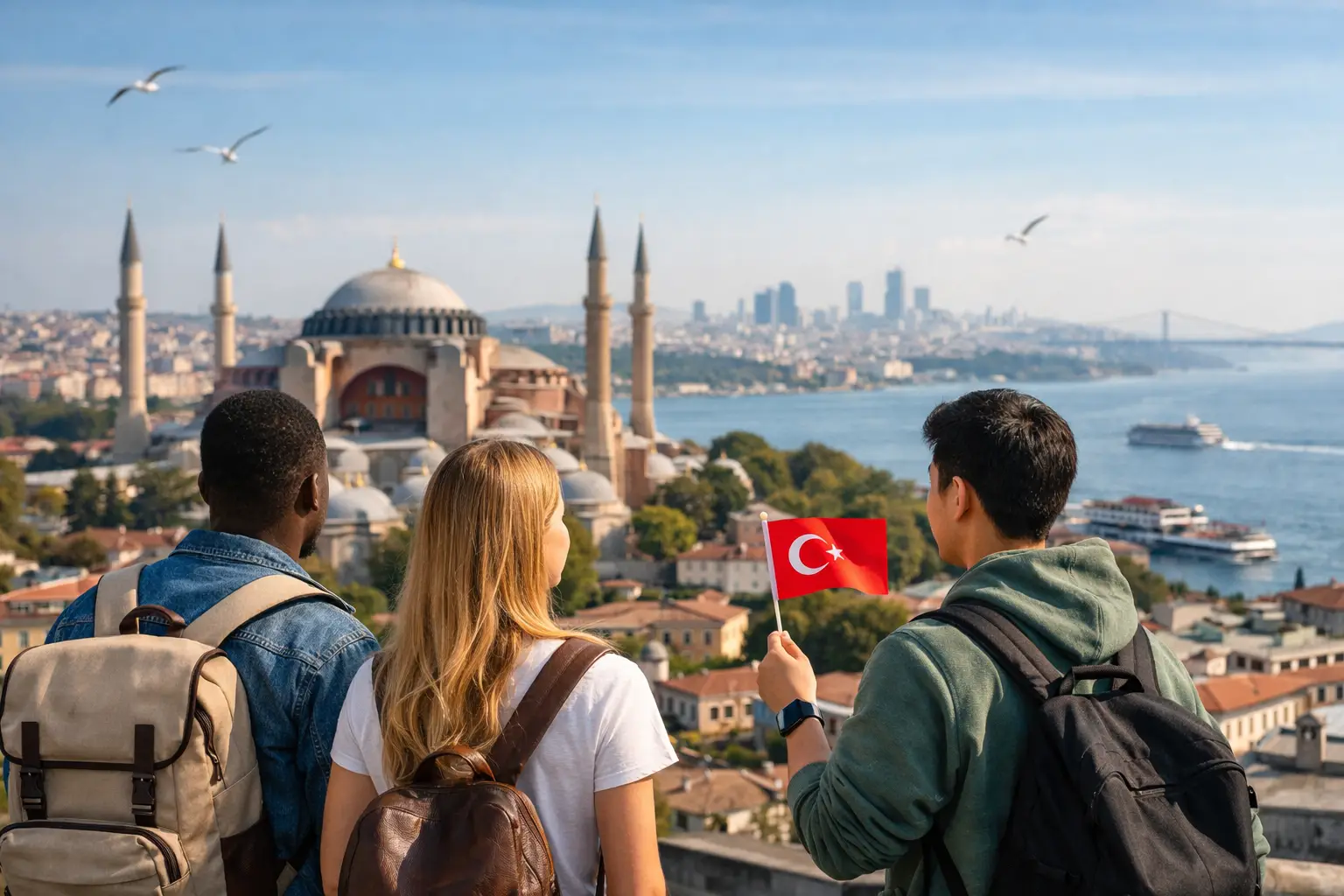
A few years ago, many students looked at Turkey as a backup option. That is no longer the case. The latest international student trends turkey observers are seeing point to something much stronger: students are choosing Turkey on purpose, earlier in the decision cycle, and with clearer expectations about cost, quality, and career outcomes.
For families comparing Turkey with Europe, the Gulf, or other regional study destinations, the shift is practical. Students want recognized universities, reasonable tuition, flexible admission pathways, and support with the details that usually cause delays – visa paperwork, residence permits, housing, and settling in. Turkey, especially through private universities in Istanbul, continues to meet that demand well.
Why international student trends in Turkey are changing
The biggest change is not only in student numbers. It is in student behavior. Applicants are more informed than before, but they are also less patient with unclear processes. They want fast answers, transparent tuition ranges, and a realistic sense of what life will cost after arrival.
This is one reason private universities have gained more attention. For many international students, they offer a more direct route to admission, broader English-medium options, and fewer bottlenecks than highly competitive public pathways. That does not mean private is always the better choice in every case. It depends on the student’s budget, target major, academic profile, and long-term plan. But the market trend is clear: students are prioritizing speed, flexibility, and support.
Another shift is family involvement. Parents are asking tougher questions about recognition, safety, accommodation, and total yearly cost, not just tuition. In other words, the decision is no longer only academic. It is operational. The university matters, but the student experience from airport arrival to first semester matters too.
The programs attracting the most attention
Demand remains strongest in programs tied to employability. Medicine, dentistry, pharmacy, software engineering, computer engineering, business administration, psychology, architecture, and international trade continue to attract large numbers of international applicants.
What has changed is how students evaluate these majors. Many are no longer choosing based only on title prestige. They are asking whether the program is taught in English, whether internships are realistic, whether the campus location supports part-time opportunities, and whether the tuition makes sense over four or five years.
Health-related fields still lead in interest, especially among students from the Middle East and North Africa. But technology and business programs are growing fast because they offer a better balance between tuition and career flexibility. For students who need a more manageable budget, these programs can make Turkey especially attractive.
There is also stronger interest in foundation and associate pathways for students who are not ready to enter a competitive bachelor’s program immediately. That trend matters because it shows that students are looking for access points, not just ideal scenarios. A good plan is often more valuable than a perfect one that delays enrollment by a year.
Istanbul remains the center of demand
When families say they want to study in Turkey, they often mean Istanbul first. That preference has stayed strong, and for good reason. Istanbul offers the highest concentration of private universities, more English-taught options, stronger transportation networks, and a wider range of housing choices than most other cities.
Still, this trend has a trade-off. Istanbul gives students more opportunity, but it also comes with higher living costs and more competition for good accommodation. Students who apply early usually have better choices in both tuition offers and housing. Students who wait too long may still find admission, but often with fewer practical advantages.
For many applicants, the appeal of Istanbul is not only the city itself. It is the ecosystem. Universities, hospitals, companies, internships, language practice, and international communities are all concentrated there. That matters for a student thinking beyond the classroom.
Cost awareness is shaping application behavior
One of the clearest international student trends in Turkey is that applicants are budgeting more carefully from the beginning. They are asking for the full picture: tuition, housing, transportation, food, health insurance, residence permit costs, and one-time setup expenses.
This is a healthy trend. Students who understand the total cost early tend to make better university choices and face fewer surprises after arrival. It also explains why scholarship offers, tuition discounts, and payment flexibility have become more influential in final enrollment decisions.
At the same time, lower cost alone does not close the deal. Families still want value. A university with a lower tuition fee may not be the best fit if the program language, campus quality, or location creates problems later. The smart decision is usually the one that balances affordability with recognition, student support, and a realistic path to graduation.
English-medium education continues to drive demand
English-taught programs remain one of the biggest factors behind international growth. Students who want global mobility naturally prefer universities where they can complete their degree in English, especially in medicine, engineering, business, and social sciences.
But this trend also comes with a common misunderstanding. Not every English-medium option is equal in practice. Students should look beyond the label and ask how strong the academic delivery really is, whether faculty and administration can support international students effectively, and whether the student can succeed in that language environment.
For some students, a Turkish-medium program with strong support may actually be the better long-term fit, especially if their budget is tighter or if they plan to build a career in Turkey. So yes, English matters. But fit matters more.
Students now expect end-to-end support
This may be the most important shift of all. International students are no longer looking only for admission help. They want one coordinated process that covers university selection, application, acceptance, visa guidance, residence steps, housing, and arrival support.
That expectation is reasonable. A student can receive an offer from a university and still struggle with the next ten steps. This is where many families feel overwhelmed, especially when deadlines are close or documents need translation, notarization, or equivalency processing.
For that reason, service quality around admission has become part of the decision itself. Students are not just choosing a country or a university. They are choosing how much uncertainty they are willing to manage alone. This is exactly why many applicants prefer working with a specialized education advisor that understands private universities in Turkey from the inside and can move the process forward without unnecessary delays.
Visa, residence, and compliance matter more than before
Students and parents are paying more attention to post-admission procedures, and they should. A strong application is only one part of a successful start. Missing a residence deadline, misunderstanding visa requirements, or arriving without a housing plan can create stress very quickly.
Current student behavior shows more awareness here. Applicants are asking earlier about invitation letters, health insurance, residency appointments, and document readiness. This is a positive trend because it reduces the chance of avoidable mistakes.
It also highlights a simple truth: the best university option is not just the one that accepts the student. It is the one the student can join smoothly and settle into with confidence.
What these trends mean for students applying now
If you are planning to study in Turkey, the market is still full of opportunity, but it rewards preparation. Students who start earlier have more room to compare universities, secure better offers, and organize the practical side of the move without pressure.
It is also the right time to be realistic. Not every student needs the most famous campus. Not every family should chase the lowest tuition. The better question is which university gives you the strongest combination of admission accessibility, academic fit, budget control, and stability after arrival.
For students targeting private universities in Istanbul or Turkish Cyprus, this is where guided planning makes a real difference. A service-focused advisor such as Directly Education can help reduce administrative friction and keep the process moving from acceptance to arrival, which is often where students lose time on their own.
Turkey is attracting international students because it offers something many markets struggle to combine: access, variety, and workable cost. The students who benefit most are usually not the ones who rush. They are the ones who choose early, ask practical questions, and build a plan that works on paper and on the ground.